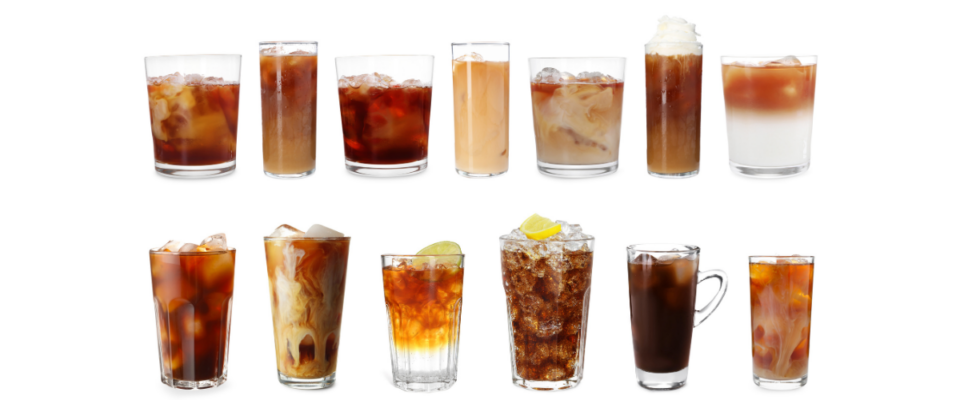
Whether you experience occasional digestive discomfort or live with a condition such as Irritable Bowel Syndrome (IBS), the beverages you drink can have a significant impact on how your digestive system feels. While food often gets the spotlight, drinks can also contribute to symptoms such as bloating, reflux, nausea, flatulence, diarrhoea, and abdominal discomfort.
The good news? Making a few simple changes to what you drink may help support your digestive health and reduce the likelihood of triggering uncomfortable symptoms.
Drinks That May Be Better for Sensitive Digestion
1. Water
Water is one of the best choices for maintaining digestive health. Staying well hydrated helps support normal digestion and bowel function and can help prevent constipation.
Aim to drink water consistently throughout the day rather than consuming large amounts all at once.
2. Herbal Teas
Certain caffeine-free herbal teas may be soothing for some people with sensitive digestion. Popular options include:
- Chamomile tea
- Ginger tea
- Peppermint tea*
*Peppermint may not be suitable for individuals who experience frequent acid reflux or gastro-oesophageal reflux disease (GERD), as it may relax the lower oesophageal sphincter and worsen symptoms.
3. Low-FODMAP Smoothies
If you enjoy smoothies, choose ingredients that are less likely to trigger digestive symptoms.
Try combining:
- Lactose-free yoghurt or a suitable plant-based alternative
- Strawberries or blueberries
- Spinach
- Oats
- Chia seeds
Avoid adding large amounts of high-FODMAP fruits if they are known triggers for you.
4. Oral Rehydration Solutions
If you’ve experienced diarrhoea or vomiting, oral rehydration solutions may help replace fluids and electrolytes. Always use them according to the manufacturer’s instructions or as advised by your healthcare professional.
Drinks That May Trigger Digestive Symptoms
1. Fizzy Drinks
Carbonated beverages contain dissolved gas, which may increase bloating and flatulence in some people. They may also worsen reflux symptoms.
Examples include:
- Soft drinks
- Sparkling water
- Energy drinks
2. Alcohol
Alcohol can irritate the digestive tract and may contribute to reflux, diarrhoea, or abdominal discomfort in some individuals.
If you notice alcohol worsens your symptoms, consider limiting your intake or avoiding it altogether.
3. Coffee
Many people enjoy their morning coffee, but caffeine may stimulate bowel activity and can worsen diarrhoea or IBS symptoms in some individuals. Coffee may also aggravate heartburn or reflux.
If coffee seems to trigger symptoms, try reducing your intake or switching to a lower-caffeine option.
4. Sugary Drinks
Sugar-sweetened beverages, including some fruit juices and flavoured drinks, may contribute to digestive discomfort in certain individuals, particularly when consumed in large quantities.
5. Artificially Sweetened Drinks
Some sugar substitutes, including sorbitol, mannitol, and xylitol, may cause bloating, gas, or diarrhoea in sensitive individuals because they are poorly absorbed in the digestive tract.
Always check ingredient labels if you notice symptoms after consuming sugar-free beverages.
Everyone Has Different Triggers
No two digestive systems are exactly alike. A drink that is well tolerated by one person may trigger symptoms in another.
Keeping a food and drink diary can help identify patterns and make it easier to recognise your personal triggers.
Record:
- What you drank
- The quantity
- The time
- Any symptoms experienced afterwards
Over time, this information can help guide your dietary choices and support discussions with your healthcare professional.
Managing Digestive Discomfort
Even with careful dietary choices, digestive symptoms can sometimes occur.
Silicolgel is a medical device containing colloidal silicic acid that works locally in the gastrointestinal tract by binding certain irritants and harmful substances before they are naturally eliminated from the body.
Silicolgel may help relieve symptoms associated with gastrointestinal disorders, including:
- Irritable Bowel Syndrome (IBS)
- Bloating
- Flatulence
- Nausea
- Heartburn and reflux
- Abdominal discomfort
- Diarrhoea
Always use Silicolgel according to the instructions for use. If your symptoms are severe, persistent, or accompanied by unexplained weight loss, blood in your stool, or persistent vomiting, seek medical advice promptly.
Small Changes Can Make a Big Difference
When it comes to digestive health, what you drink is just as important as what you eat. Staying hydrated, choosing beverages that agree with your digestive system, and identifying your individual triggers can all help support better digestive comfort.
If you have ongoing digestive symptoms, speak to your healthcare professional for an appropriate assessment and personalised advice.
References
- Monash University. The Low FODMAP Diet.
- National Institute of Diabetes and Digestive and Kidney Diseases (NIDDK). Symptoms & Causes of Irritable Bowel Syndrome.
- British Dietetic Association. Food Fact Sheets: IBS.
- American College of Gastroenterology. Irritable Bowel Syndrome Clinical Guideline.
- Mayo Clinic. Heartburn and GERD: Lifestyle and Dietary Advice.
- Silicolgel Instructions for Use.