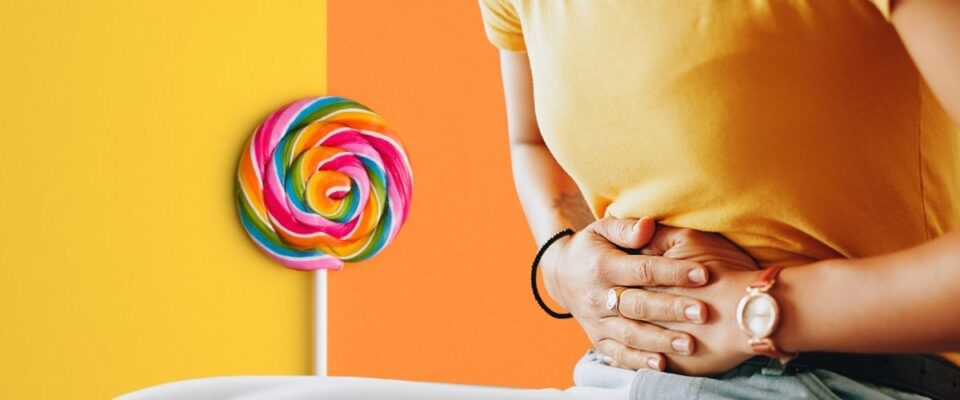
If you have Irritable Bowel Syndrome (IBS), you’ve probably noticed that some foods can trigger uncomfortable symptoms like bloating, cramping, gas, and diarrhea. While everyone’s triggers can be different, sweets especially sugar-laden treats often top the list for many people with IBS. Let’s explore why that is and how you can enjoy sweets without upsetting your gut.
Why Sweets Can Trigger IBS Symptoms:
1. High Sugar Content and Fermentation
Many sweets are rich in sugars like fructose, sucrose, and high-fructose corn syrup. In people with IBS, these sugars can be poorly absorbed in the small intestine. Once they reach the colon, gut bacteria ferment these sugars, producing gas and leading to bloating, cramping, and diarrhea. This process is a key characteristic of FODMAPs, short-chain carbohydrates that are not completely digested or absorbed in the intestines, causing digestive discomfort in some individuals.
2. Artificial Sweeteners
Sugar substitutes such as sorbitol, mannitol, and xylitol are common in sugar-free candies, gums, and desserts. These sugar alcohols are not fully absorbed in the gut and can act as FODMAPs, triggering IBS flare-ups. Even small amounts of these sugar alcohols can cause symptoms like bloating and diarrhea in sensitive individuals.
3. Fat + Sugar Combination
Many desserts combine sugar and fat (think chocolate, pastries, or creamy treats). Fat can slow digestion, allowing more sugar to reach the colon, which may worsen IBS symptoms. Additionally, high-fat foods can stimulate the gut, leading to discomfort and altered bowel habits in some people with IBS.
Managing IBS While Enjoying Sweets
- Moderation is Key: Small portions may be tolerated better than large servings.
- Choose Low-FODMAP Sweets: Fruits like strawberries, blueberries, and oranges are lower in FODMAPs and less likely to trigger symptoms.
- Check Labels for Hidden Sugars and Sugar Alcohols: Sugar-free products can sometimes cause more issues than sugar-containing ones.
- Balance with Protein or Fiber: Eating sweets with a low-FODMAP protein or fiber source can slow sugar absorption and reduce bloating.
- Use Gut-Soothing Products if Needed: Over-the-counter remedies like Silicolgel can help relieve bloating and discomfort when symptoms flare.
Bottom Line
Sweets don’t have to be completely off-limits if you have IBS, but it’s important to listen to your body, know your triggers, and enjoy treats mindfully. Small adjustments, like opting for low-FODMAP options, checking labels for sugar alcohols, and managing portion sizes, can make a big difference in keeping your gut happy.
References
- Monash University FODMAP Diet. About FODMAPs and IBS. https://www.monashfodmap.com/about-fodmap-and-ibs/
- Monash University FODMAP Diet. What Are Polyols? https://www.monashfodmap.com/blog/what-are-polyols/
- Johns Hopkins Medicine. 5 Foods to Avoid if You Have IBS. https://www.hopkinsmedicine.org/health/conditions-and-diseases/irritable-bowel-syndrome-ibs/5-foods-to-avoid-if-you-have-ibs