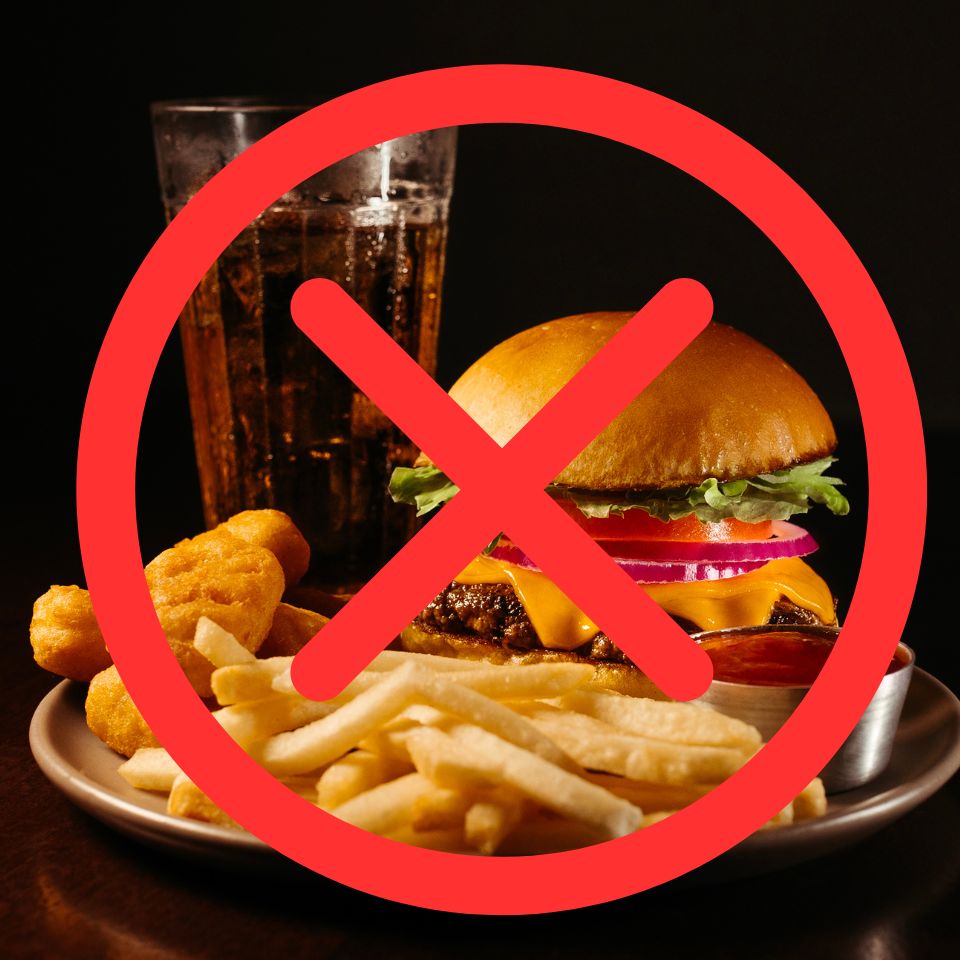
When you have IBS, you may have noticed that certain foods seem to make your symptoms worse.
Maybe it’s a creamy meal that leaves you feeling bloated. Perhaps coffee sends you running to the bathroom, or a meal containing onion and garlic causes uncomfortable gas.
But here’s the important thing: IBS triggers are not the same for everyone.
There is no universal list of foods that every person with IBS needs to avoid. The goal is to understand your individual triggers and manage them without unnecessarily restricting your diet.
Why can certain foods trigger IBS symptoms?
IBS affects the way the gut functions and can cause symptoms including abdominal pain, bloating, wind and changes in bowel habits.
Certain carbohydrates known as FODMAPs can be difficult for some people to digest and absorb. They can draw water into the intestine and be fermented by gut bacteria, potentially contributing to symptoms such as bloating, gas and abdominal discomfort.
FODMAPs are found in a wide variety of foods, including some fruits, vegetables, grains, dairy products, legumes and sweeteners.
However, FODMAPs aren’t the only potential dietary triggers.
Common IBS food and drink triggers
1. High-FODMAP foods
Some people with IBS find that foods high in certain FODMAPs trigger their symptoms.
Examples can include:
- Onions and garlic
- Certain fruits such as apples, pears and mangoes
- Certain dairy products containing lactose
- Wheat and rye-based products
- Some legumes and pulses
- Honey
- Certain sugar-free sweets and products containing polyols such as sorbitol
However, tolerance varies considerably from person to person, and portion size can also matter.
2. Caffeine
Coffee, tea and some caffeinated soft drinks may aggravate symptoms for some people.
If you notice that your morning coffee is repeatedly followed by urgency or diarrhoea, it may be worth discussing your caffeine intake with a healthcare professional and considering whether reducing it makes a difference.
3. High-fat foods
Very rich or high-fat meals can be problematic for some people with IBS.
Fatty meals may affect gut movement and can contribute to feelings of fullness, bloating and discomfort in some individuals.
This doesn’t mean you need to eliminate all fat from your diet. Instead, pay attention to whether particularly rich or greasy meals seem to coincide with your symptoms.
4. Spicy foods
Spicy foods can aggravate gastrointestinal symptoms in some people with IBS.
If you regularly notice discomfort after particularly spicy meals, try reducing the amount of chilli or spice and see whether your symptoms change.
5. Alcohol
Alcohol can trigger or worsen symptoms for some people with IBS.
If you notice a pattern between drinking alcohol and your symptoms, reducing your intake or avoiding it for a period may help you determine whether it is a personal trigger.
6. Carbonated drinks
Fizzy drinks can contribute to gas and bloating in some people.
If carbonated drinks appear regularly in your food diary before episodes of bloating or discomfort, consider reducing them and monitoring whether your symptoms improve.
Don’t eliminate everything at once
It can be tempting to look at a list of potential IBS triggers and decide to remove them all from your diet.
But more restriction isn’t necessarily better.
A highly restrictive diet can make it difficult to get the variety of nutrients you need and may make eating socially and comfortably more difficult. Monash FODMAP recommends using dietary restriction as a structured process to identify triggers, followed by reintroduction of foods that are tolerated.
Instead, consider changing one thing at a time and keeping track of your symptoms.
For example, if you suspect that coffee is triggering your symptoms, monitor what happens when you reduce or remove it rather than simultaneously eliminating dairy, gluten, fruit, spicy foods and everything else.
This makes it easier to understand what actually affects you.
Remember: your trigger may be more than one thing
Sometimes it isn’t simply about what you ate.
The amount you ate, how quickly you ate, stress, sleep and changes to your routine may all play a role in how your gut feels.
That’s why keeping a food and symptom diary can be so useful. It allows you to look at your diet alongside the rest of your routine and identify recurring patterns.
Finding your personal balance
Managing IBS isn’t about creating a list of foods you can never eat again.
It’s about finding a way of eating that helps you feel comfortable while still allowing you to enjoy a varied and balanced diet.
If you regularly experience IBS symptoms, speak to a doctor or registered dietitian before making major dietary changes. A dietitian with expertise in IBS can help you identify potential triggers while reducing the risk of unnecessary food restriction.
Know your triggers. Make informed choices. Give your gut a little more understanding.
References
- National Institute of Diabetes and Digestive and Kidney Diseases (NIDDK). Eating, Diet, & Nutrition for Irritable Bowel Syndrome.
- Monash University FODMAP. Starting the Low FODMAP Diet.
- Monash University FODMAP. Non-FODMAP Dietary Triggers of IBS Symptoms.
- Monash University FODMAP. FODMAP Food List.
- Monash University FODMAP. IBS Diets.
- NHS / Wirral Community Health and Care NHS Foundation Trust. Diet, Lifestyle and Medicines – IBS.
- Monash University FODMAP. Disordered Eating in Irritable Bowel Syndrome.