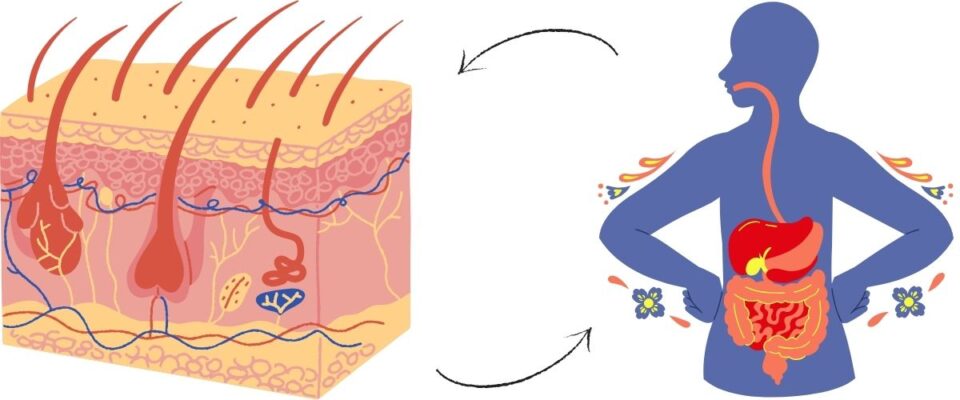
When we think about skincare, we usually focus on topical products like cleansers, serums, and moisturisers. However, many skin concerns actually begin inside the body. Increasingly, research shows that gut health plays a significant role in skin health, highlighting the strong connection between digestive health and the appearance of your skin.
This relationship is often referred to as the gut–skin axis which is a communication network between the gut microbiome, immune system, and skin. When your gut is healthy and balanced, your skin is more likely to appear clear, hydrated, and resilient. When digestive health is compromised, it can trigger inflammation that may show up as skin problems such as acne, eczema, rosacea, or dull skin.
Understanding the Gut–Skin Axis
The gut microbiome refers to the trillions of microorganisms living in your digestive system. These bacteria play a crucial role in digestion, immune function, and overall health.
Scientists have discovered that the gut microbiome communicates with the skin through the immune system and inflammatory pathways. When the microbiome becomes imbalanced, a condition known as gut dysbiosis, it can disrupt immune responses and increase inflammation throughout the body, including the skin.
This means that poor digestive health can sometimes manifest externally as skin conditions.
Inflammation: The Key Link Between Gut and Skin
One of the main ways gut health affects the skin is through inflammation.
If the digestive system becomes irritated or imbalanced, the body may produce inflammatory molecules that circulate in the bloodstream. These inflammatory responses can contribute to skin concerns such as:
- Acne
- Eczema
- Psoriasis
- Rosacea
- Sensitive or irritated skin
Research suggests that changes in the gut microbiome may trigger inflammatory skin conditions, further highlighting the connection between gut health and skin health.
The Role of IBS and Digestive Disorders
Digestive conditions such as IBS (Irritable Bowel Syndrome) can also influence the appearance of the skin.
Studies have found that people with certain skin conditions, particularly acne, may be more likely to experience gastrointestinal issues such as IBS or other digestive disorders.
Symptoms of digestive imbalance may include:
- Bloating
- Irregular bowel movements
- Abdominal discomfort
- Food sensitivities
When these digestive symptoms occur, they can signal an imbalance in the gut microbiome that may also affect skin health.
Nutrient Absorption and Skin Health
Your digestive system is responsible for absorbing nutrients that support healthy skin.
When gut health is compromised, the body may struggle to absorb key nutrients that are essential for maintaining clear and healthy skin, including:
- Vitamin A
- Vitamin D
- Zinc
- Omega-3 fatty acids
- Antioxidants
Poor nutrient absorption can contribute to skin concerns such as dryness, breakouts, premature ageing, and inflammation.
The Gut Microbiome and Acne
Emerging research shows that individuals with acne may have different gut bacteria profiles compared with those who have clear skin. Changes in gut bacteria diversity and an increase in inflammatory microbes may contribute to acne development.
Additionally, frequent antibiotic use, often prescribed to treat acne, can disrupt beneficial gut bacteria, potentially worsening digestive imbalance and skin inflammation over time.
How to Support Gut Health for Healthier Skin
Improving digestive health can often have a positive effect on skin health. Some strategies to support the gut–skin axis include:
1. Eat a Fibre-Rich Diet
Fibre feeds beneficial gut bacteria and helps maintain a balanced microbiome. Foods such as fruits, vegetables, legumes, and whole grains support digestive health.
2. Include Probiotic Foods
Probiotics introduce beneficial bacteria into the gut. Fermented foods such as yoghurt, kimchi, and sauerkraut can help support microbiome balance.
3. Manage Stress
Stress can disrupt both digestive health and skin health. Practices such as exercise, sleep, and mindfulness can support both systems.
4. Support Digestive Health
Maintaining healthy digestion and gut balance can help reduce inflammation and support the gut–skin connection.
The Takeaway: Healthy Gut, Healthy Skin
Your skin is often a reflection of what is happening inside your body. The growing body of research around the gut–skin axis shows that digestive health, inflammation, and the gut microbiome can significantly influence skin conditions.
By supporting your gut health, you may also support clearer, healthier skin. Focusing on balanced nutrition, maintaining digestive health, and supporting the gut microbiome can benefit both digestive wellness and skin health.
References
- Thye, A. Y. K., et al. (2022). Gut–Skin Axis: Unravelling the Connection between the Gut Microbiome and Psoriasis. Biomedicines.
- Zhao, Y., et al. (2025). Association between gut microbiome composition and dermatological diseases. International Journal of Molecular Medicine.
- Sánchez-Pellicer, P., et al. (2022). Acne, Microbiome, and Probiotics: The Gut–Skin Axis. Microorganisms.
- Free Radical Biology and Medicine (2024). Role of microbiota in the gut–skin axis responses to environmental stressors.
- Acne.org (2025). Research confirms link between your skin and gut health.
- Salem, I., et al. (2022). Impact of gut microbiome on skin health. Gut Microbes Journal.