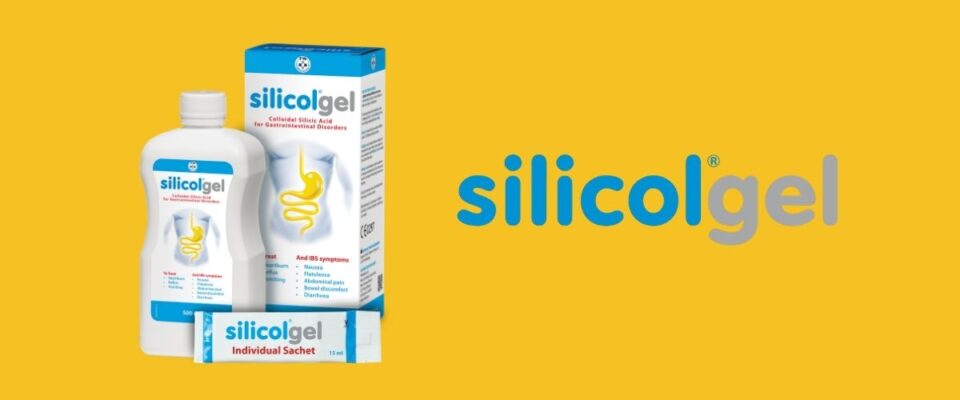
If you struggle with bloating, abdominal pain, nausea, reflux, diarrhoea or IBS-type symptoms, you’ve probably tried everything from antacids to elimination diets. But what makes Silicolgel different is that it doesn’t just mask symptoms, it works by binding and removing the triggers inside your digestive tract.
Let’s unpack exactly why it works.
What Is Silicolgel?
Silicolgel is an oral gel made from colloidal silicic acid which is a highly hydrated form of silicon (SiO₂). It is not absorbed into the bloodstream. Instead, it works locally within the gastrointestinal tract.
This is important because it means:
- It doesn’t alter stomach acid production.
- It doesn’t interfere with digestive enzymes.
- It has a strong safety profile.
- It can be used alongside other medications (with spacing).
The Science: How Silicolgel Actually Works
1. It Binds Irritants and Toxins
Colloidal silicic acid has a large surface area and strong adsorption properties. This allows it to bind:
- Bacterial toxins
- Viruses
- Harmful microorganisms
- Excess acids
- Gas-producing substances
Once bound, these irritants are carried out of the body naturally via the stool.
This is particularly helpful for:
- Acute diarrhoea
- Food poisoning
- Gastroenteritis
- IBS flare-ups
Instead of suppressing symptoms, Silicolgel removes the cause of irritation.
2. It Protects the Gut Lining
In conditions like Irritable Bowel Syndrome (IBS), the gut lining can become inflamed and hypersensitive. Silicolgel forms a protective coating over the mucous membrane, which helps:
- Reduce irritation
- Calm inflammation
- Soothe abdominal pain
- Reduce reflux discomfort
This protective barrier effect is one reason many people experience relief from heartburn and upper GI discomfort.
3. It Helps Restore Digestive Balance
Digestive symptoms are often linked to imbalances in gut bacteria or toxin build-up. By binding harmful substances without killing beneficial bacteria, Silicolgel supports a more balanced gut environment.
Unlike antibiotics or strong antidiarrheals, it does not:
- Cause constipation
- Disrupt the microbiome significantly
- Create dependency
Why It’s Especially Helpful for IBS
IBS is not caused by one single issue, it’s often a combination of:
- Visceral hypersensitivity
- Gut inflammation
- Post-infectious changes
- Stress-related gut disruption
Studies have shown that colloidal silica gels can reduce IBS symptom severity, including pain, bloating and altered bowel habits.
For patients who cannot tolerate strong medications, Silicolgel offers a gentle but effective option.
What Makes It Different From Antacids?
Traditional antacids neutralise stomach acid. That can help temporarily, but it doesn’t address:
- Toxins
- Pathogens
- Inflammatory substances
Silicolgel works through adsorption, physically binding irritants, rather than chemically changing stomach acid levels.
This makes it suitable for both upper and lower digestive complaints.
Is It Safe?
Colloidal silicic acid is not absorbed systemically. It passes through the digestive tract unchanged. Clinical experience and safety data show it is:
- Well tolerated
- Suitable for adults and children (as directed)
- Safe for longer-term use under guidance
As with any product, it should be taken separately from medications (usually 1–2 hours apart).
Who Can Benefit?
Silicolgel may help if you experience:
- IBS symptoms
- Bloating and gas
- Reflux or heartburn
- Nausea
- Acute diarrhoea
- Sensitive digestion
It is particularly useful for those looking for a non-pharmaceutical, gut-calming option.
The Bottom Line
Silicolgel works because it doesn’t fight your digestive system, it supports it.
By binding toxins, protecting the gut lining and calming irritation, it addresses digestive discomfort at the source. For many people with IBS or sensitive digestion, that makes all the difference.
References
- Holtmann G, et al. (2010). Randomised controlled trial of colloidal silica gel for IBS symptoms. Scandinavian Journal of Gastroenterology, 45(6): 701–708.
- EFSA Panel on Dietetic Products, Nutrition and Allergies (NDA). (2009). Scientific opinion on silicon as a nutrient. EFSA Journal, 7(9): 1216.
- Lomer MCE, et al. (2014). Review of IBS pathophysiology and treatment strategies. Alimentary Pharmacology & Therapeutics, 40(9): 971–983.
- Müller-Lissner SA. (2018). Management of IBS and role of adsorbents. Current Medical Research and Opinion, 34(9): 1581–1587.